Cardems
Choose a rummy game
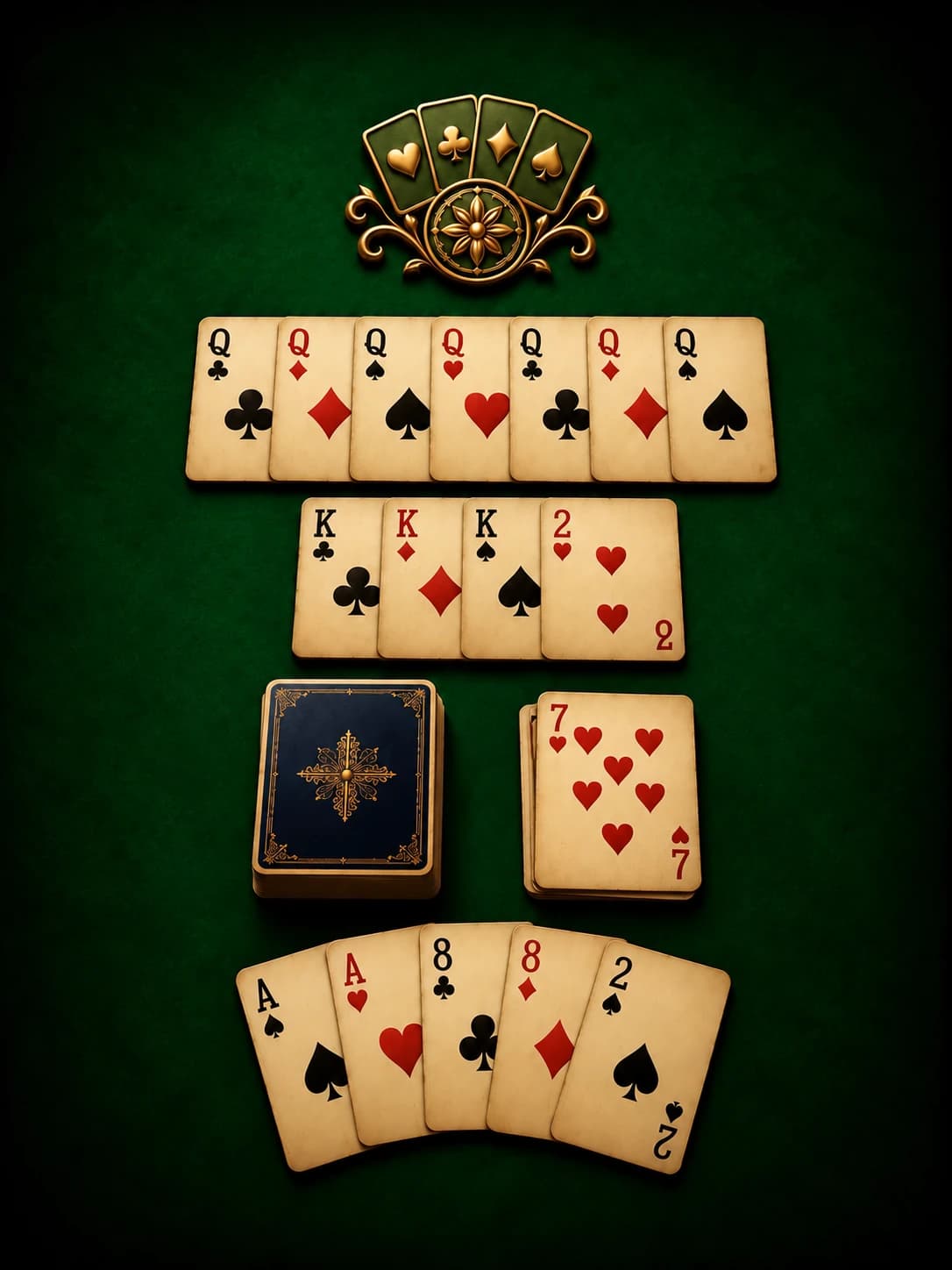 CanastaRummy and CaptureBuild seven-card melds, unlock the discard pile, and race to 5,000 with your partner.View rules and strategy
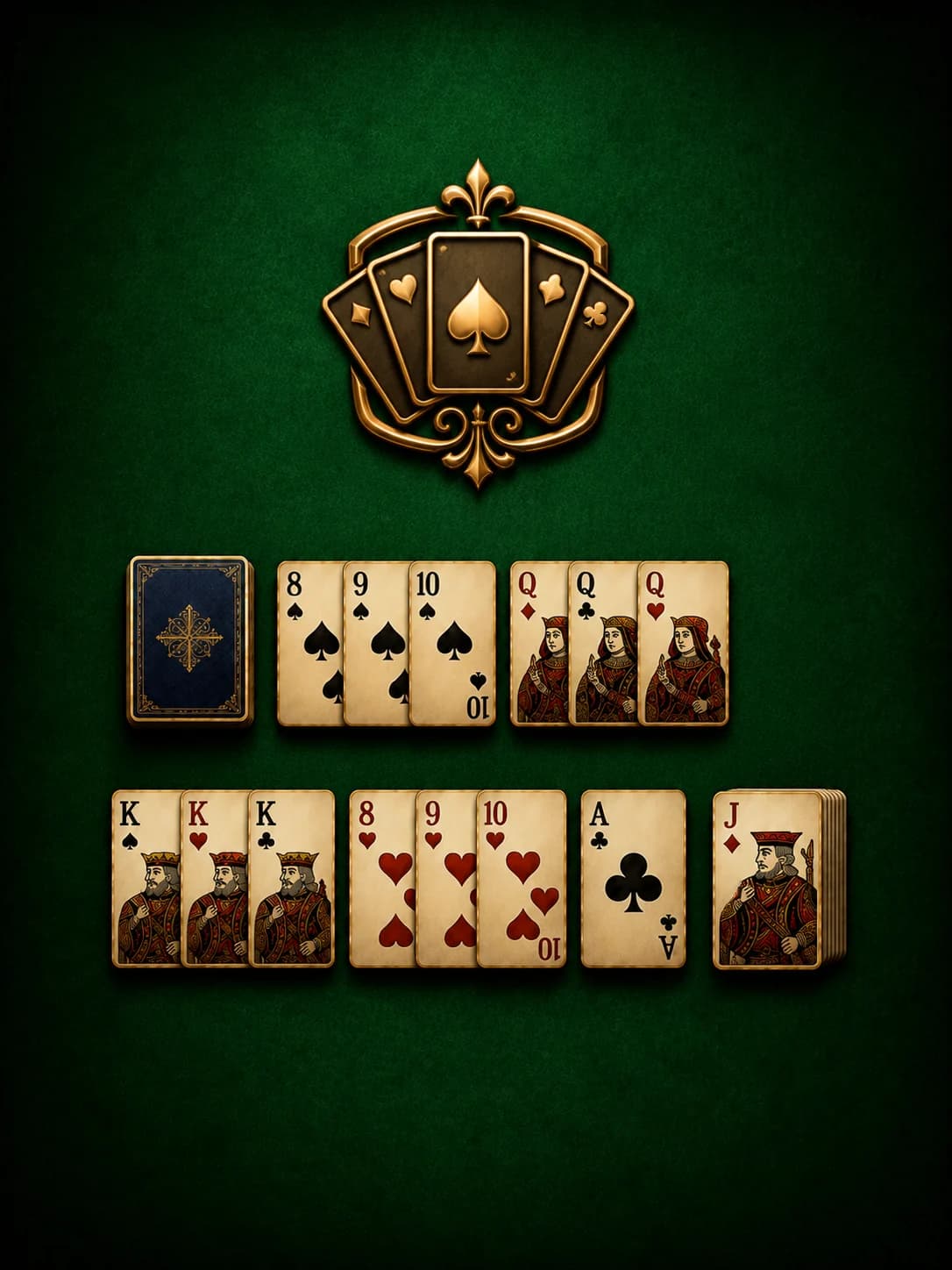 Play freeGin RummyRummy and CaptureForm melds, reduce deadwood, and know when to knock.Play free
 Play freeRummy 500Rummy and CaptureMeld cards, lay off on table runs, and race to reach 500 points.Play free
 Play freeConquianRummy and CaptureMeld directly to the table and be the first to reach eleven cards.Play free
 Play freeChinchónRummy and CaptureForm trios and sequences, reduce deadwood, and close with five or less.Play free
 Play freeBuraco AbertoRummy and CaptureBuild suit sequences, claim the morto, and make a clean canastra.Play free
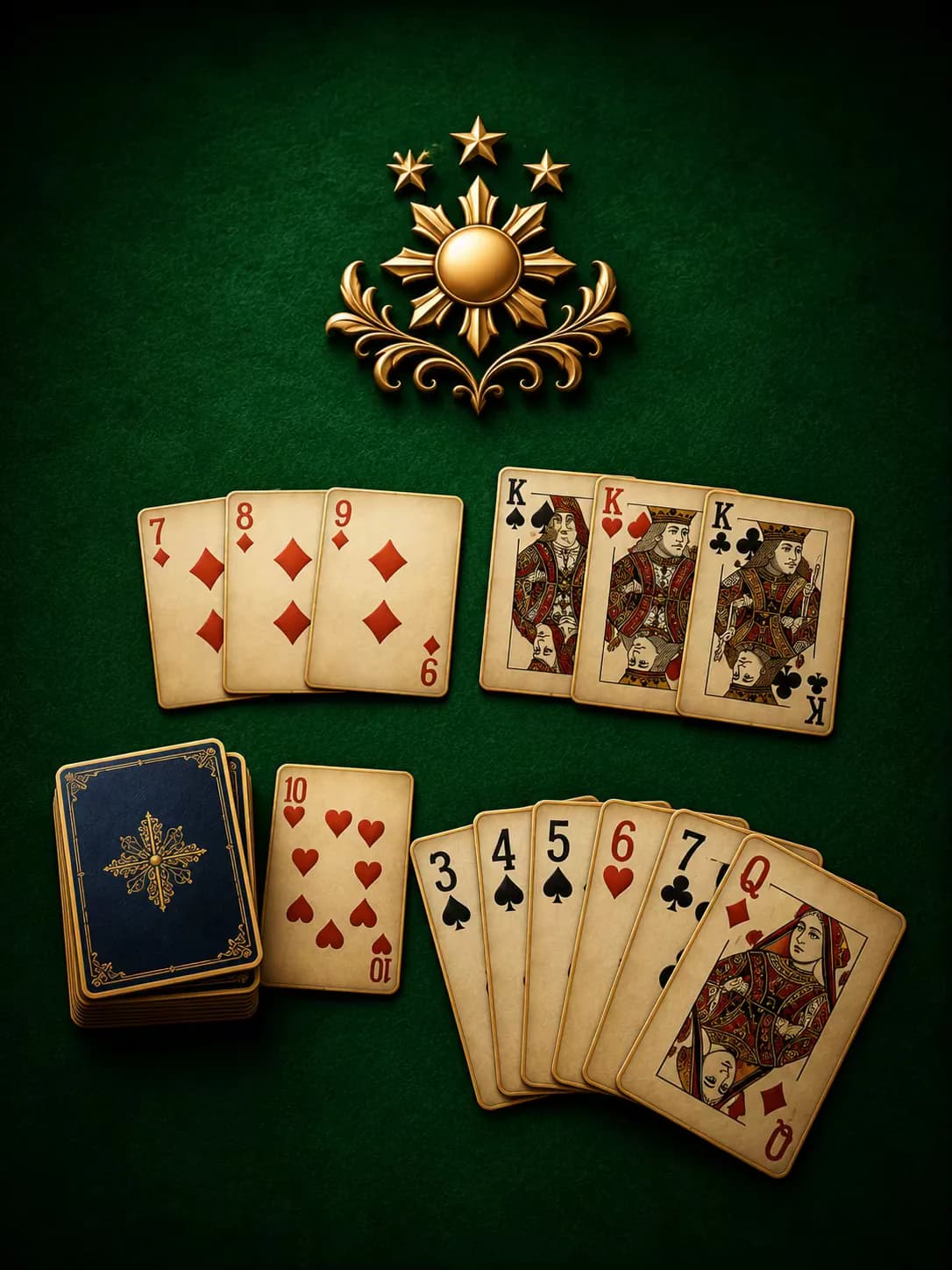 Play freeTongitsRummy and CaptureForm melds, add sapaw, and win by Tongits or the lowest deadwood.Play free
Rummy card games
How the rummy games differ
Compare the number of players, the main meld decision, and the kind of round each game creates.
| Game | Players | Main decision | Best for |
|---|---|---|---|
| Canasta | 4 | Build rank canastas and unlock the pile | Partnership meld strategy |
| Gin Rummy | 2 | Balance melds, deadwood, and when to knock | Tight head-to-head rounds |
| Rummy 500 | 2 | Take useful discards and extend table melds | Open, cumulative scoring |
| Conquian | 2 | Meld directly and manage forced card use | Traditional rummy structure |
| Chinchón | 2 | Reduce deadwood and time the close | Quick sequence building |
| Buraco Aberto | 4 | Build canastas and manage the morto | Partnership rummy |
| Tongits | 3 | Meld, lay off, or challenge on deadwood | Interactive three-player play |
Learn a rule, check a score
- Gin Rummy deadwood calculator
Check unmatched cards before choosing to knock.
Cardems