Overview
War in Cardems is a two-player comparison game against the app's opponent. Each player owns half of a 52-card deck and chooses from a small active hand rather than revealing directly from a single fixed pile.
Objective
Collect all 52 cards. You win once the opponent has no cards in either their draw deck or active hand.
Setup
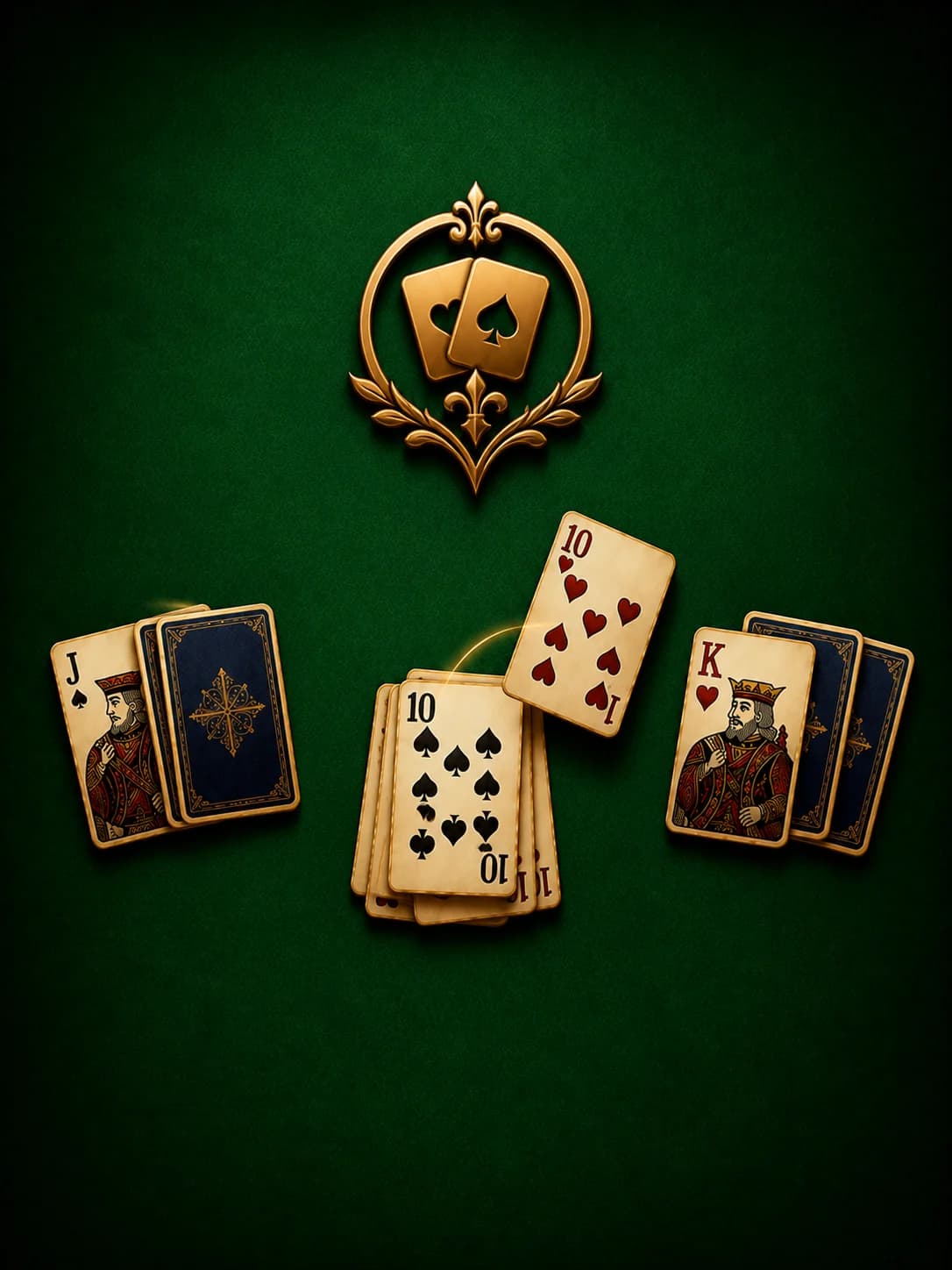
Cardems shuffles one deck and gives 26 cards to each side. Each side refills an active hand up to three cards from its own draw deck. Your active cards are visible; the opponent's are hidden until played.
How to Play
- Choose one card from your active hand to begin a battle. The opponent selects one of its available active cards.
- Compare ranks. Ace is high; the higher card wins the battle and the entire pot.
- After a normal win, collect the table cards. Cardems shuffles them face down into the winner's draw deck, then refills both active hands up to three cards.
- If ranks tie, the cards remain in the pot and a war begins.
War Procedure
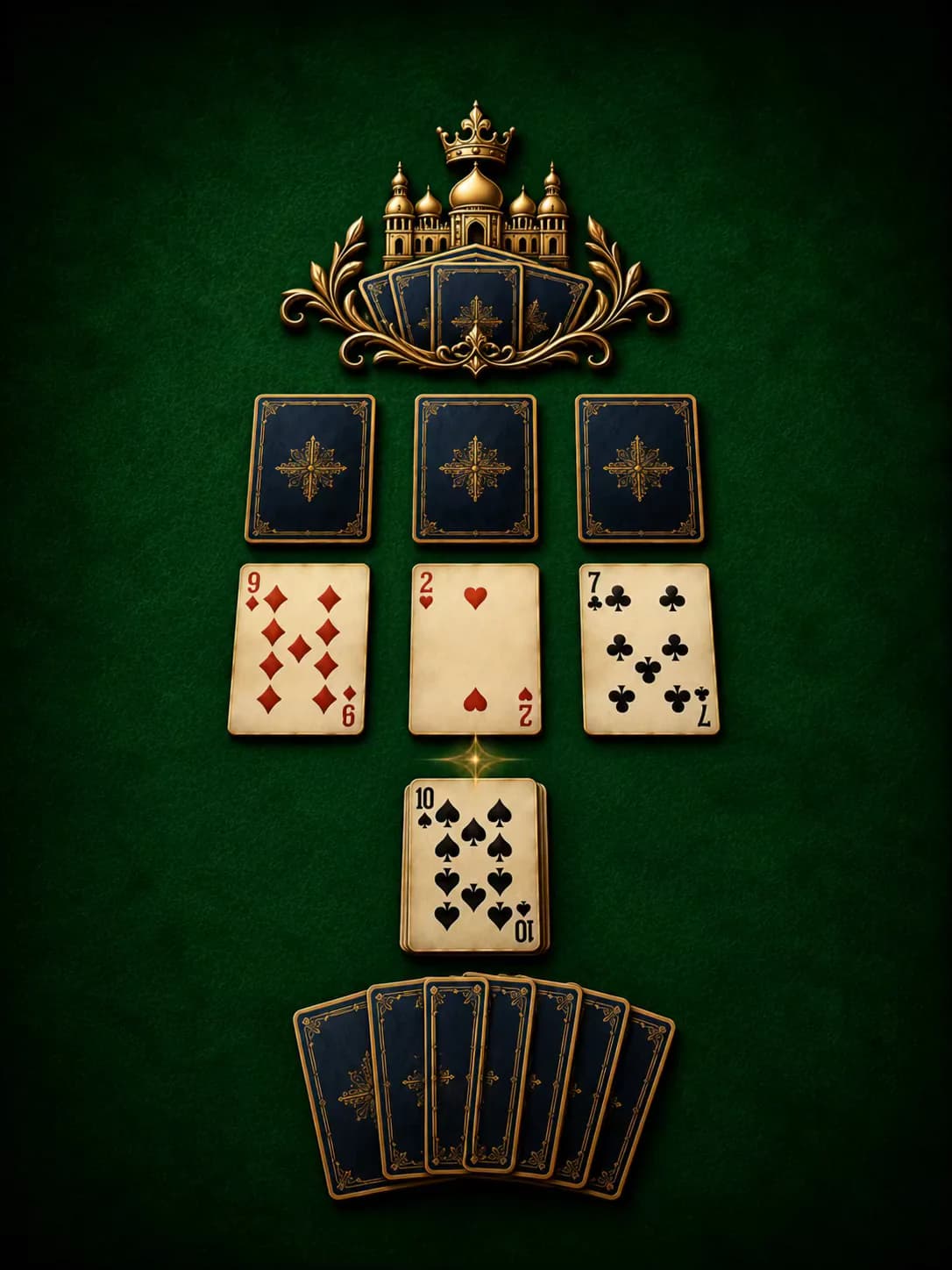
On a tie, each side burns up to three cards face down from its draw deck into the pot. Cardems then refills the active hands where possible and starts another face-up battle. The next higher card wins the full, enlarged pot; a further tie repeats the procedure.
If one side cannot continue after a tied battle, the other side receives the pot and the game settles. If neither can continue, Cardems deterministically awards that final tied pot to the player, preventing an endless final tie.
Important Rules
- You can play only a card currently in your active hand; a side refills that hand to at most three cards after collection and during a war.
- A normal battle cannot start unless both players have an active card.
- Collected cards are shuffled before joining the winner's draw deck, so there is no fixed collection order to memorize.
- There is no round limit, cycle detector, or other anti-stall draw rule. The game ends on card exhaustion.
- A tie does not award the pot immediately; all table cards stay in the pot until a later battle or exhaustion resolves it.
Scoring and Winning
The displayed score is each side's current card total: draw deck plus active hand. It is not a separate point system. After a resolved battle, the winner's card total rises by the cards in the pot and the loser’s falls accordingly.
For example, a normal battle places two cards in the pot. A tied battle followed by three face-down cards from each side has at least eight cards in its pot before the next face-up comparison.
Strategy
During a war, check how many cards remain in your draw deck and hand. A large pot is attractive, but a tie when you are nearly exhausted can immediately decide the game.
Compare it with Pişti, Gin Rummy, and Cribbage to see how each table decides a round.
FAQ
How many face-down cards are used in a war?
Cardems burns up to three face-down cards per side from the draw decks, then resolves the pot with another face-up battle.
What if I do not have enough cards for a war?
Cardems checks whether each side can continue with any card in its hand or deck. If only one can, that side receives the pot; if neither can, the player receives the final pot.
Does the winner collect cards in a fixed order?
No. The app shuffles captured cards face down before adding them to the winner's draw deck.
Can a game end in a draw?
The implemented exhaustion procedure resolves the final tied pot to the player when both sides cannot continue, so a completed game does not remain tied.